


Table of Contents
How can you ensure proper nail care for your canine companion? Dog nail care is essential for maintaining your pet’s health and comfort, preventing potential injuries, and protecting your home from scratches. This comprehensive guide will walk you through everything you need to know about maintaining your dog’s nails, from understanding the anatomy to mastering trimming techniques and identifying common issues. Whether you’re a new dog owner or looking to improve your current nail care routine, you’ll find valuable insights and practical tips to keep your dog’s paws healthy and happy.
Why Dog Nail Care Matters
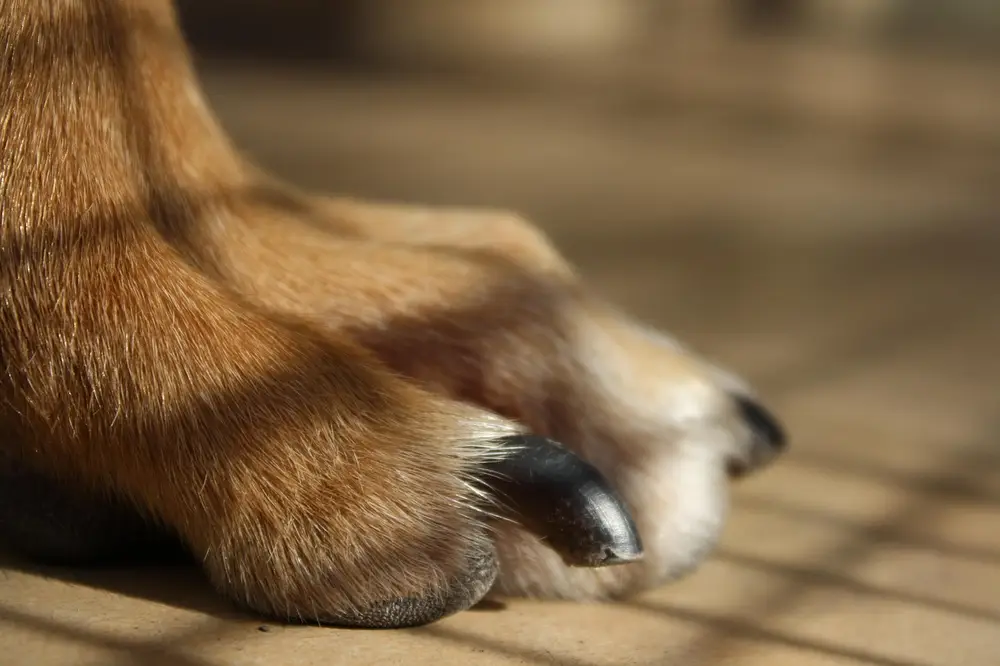
Regular nail maintenance for dogs goes far beyond cosmetic concerns. Long nails can cause significant discomfort and affect your dog’s posture and gait. When nails grow too long, they can interfere with your dog’s ability to walk properly, leading to joint pain and potential skeletal issues over time. Additionally, overgrown nails are more prone to splitting or breaking, which can be painful and may lead to infections.
Proper nail care also protects your floors and furniture from damage. Dogs with long nails can scratch hardwood floors, carpet fibers, and upholstery. More importantly, maintaining short nails reduces the risk of your dog catching their nails on objects, which can cause painful tears or breaks. For active dogs who spend time outdoors, well-maintained nails provide better traction and stability during exercise and play.
Essential Tools and Equipment
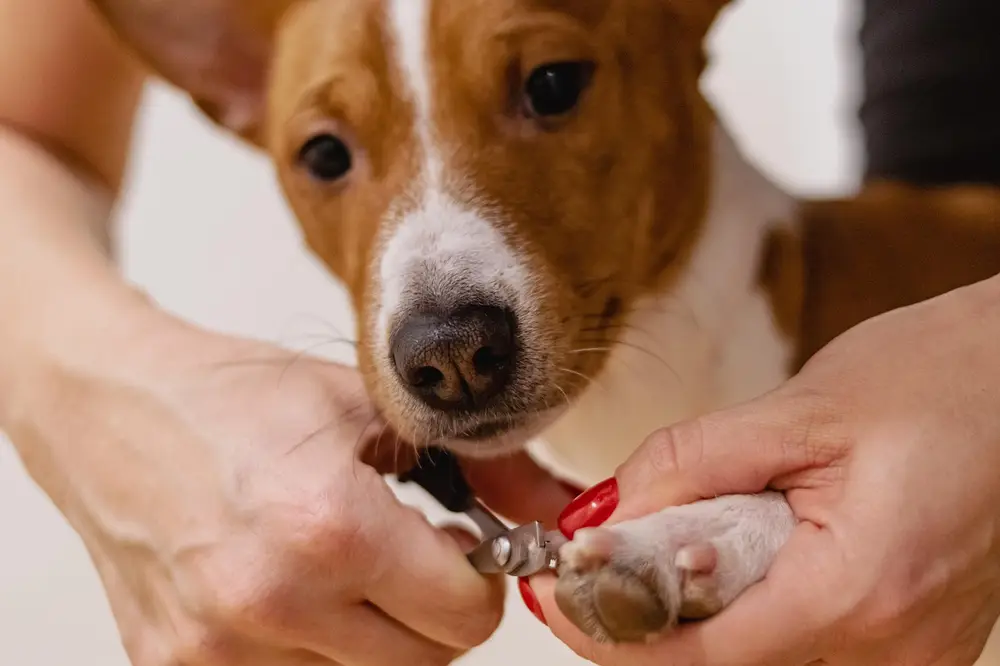
Having the right tools is crucial for safe and effective dog nail care. The most important tool is a quality nail clipper designed specifically for dogs. There are two main types: guillotine-style clippers and scissor-style clippers. Guillotine clippers work well for small to medium dogs, while scissor-style clippers offer better control and are suitable for dogs of all sizes, including large breeds.
A nail file or grinder can be useful for smoothing rough edges after trimming, and styptic powder is essential for stopping any bleeding if you accidentally cut the quick. You’ll also want treats on hand to reward your dog for good behavior during the process. For dogs with dark nails, a small flashlight can help you identify where the quick begins, reducing the risk of cutting too close.
How to Trim Your Dog’s Nails Safely
The key to successful nail trimming lies in technique and patience. Start by getting your dog comfortable with having their paws handled. Gently hold your dog’s paw and apply light pressure, praising them for staying calm. Gradually introduce the clipper, allowing your dog to sniff and examine it. Begin by trimming just one or two nails in your first session, rewarding your dog after each successful trim.
When you’re ready to trim, hold the clipper perpendicular to the nail at a slight angle. Make small cuts rather than one large cut, stopping frequently to check for the quick. On light-colored nails, you can see the pink quick inside the nail. On dark nails, look for a gray or darker circle in the center – this indicates you’re approaching the quick. Always cut in small increments, especially if you’re unsure where the quick is located.
Frequency and Signs It’s Time to Trim
Most dogs need their nails trimmed every 3-4 weeks, though this varies based on activity level, breed, and individual nail growth rate. Active dogs who walk on hard surfaces like concrete may naturally wear down their nails and need less frequent trimming. Less active dogs or those who primarily walk on grass may need more frequent attention.
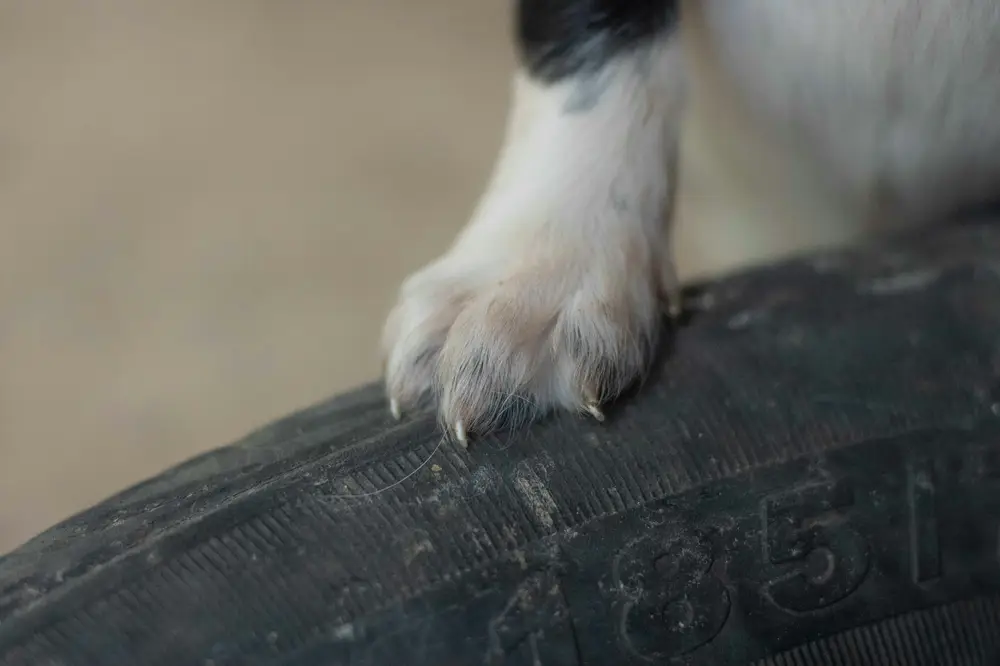
Signs that your dog’s nails are too long include clicking sounds when walking on hard floors, nails curling or touching the ground, difficulty walking, or visible overgrowth. You should also check for nails that are splitting, cracking, or growing into the paw pads. Regular inspection of your dog’s paws during routine grooming helps catch problems early.
Common Problems and Solutions
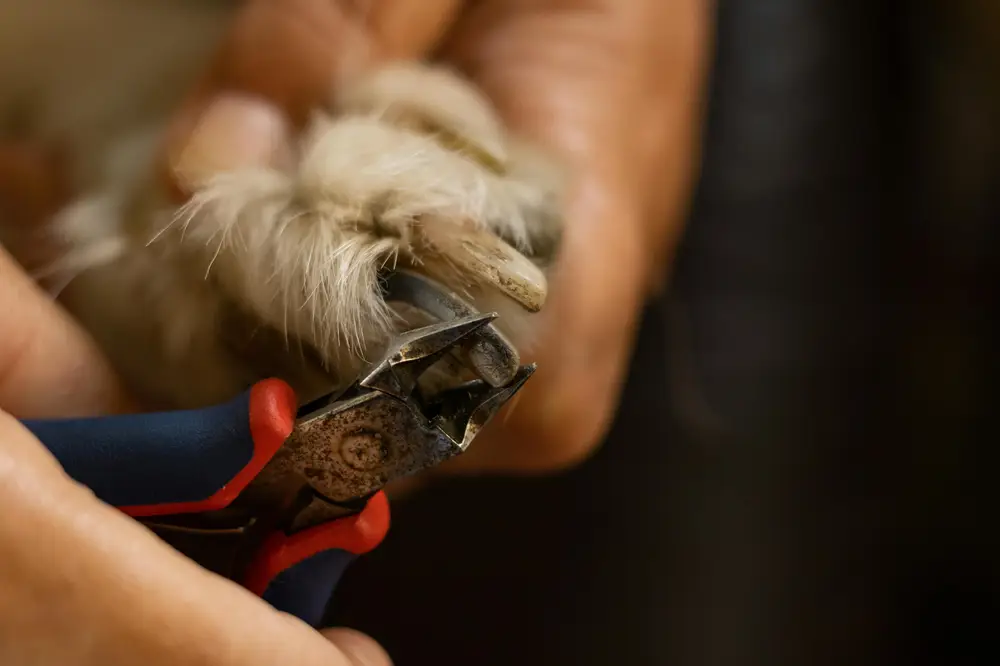
One of the most common issues dog owners face is a dog who resists nail trimming. This often stems from past negative experiences or anxiety about the process. Counter-conditioning and desensitization are effective approaches. Start by simply touching your dog’s paws while providing treats, then gradually work up to introducing the clippers, and finally making small trims while offering positive reinforcement.
If you accidentally cut the quick and bleeding occurs, don’t panic. Apply styptic powder immediately, which will quickly stop the bleeding. Keep your dog calm and offer comfort. Most quick cuts heal quickly, but monitor the nail for signs of infection such as swelling, discharge, or continued bleeding. If problems persist, consult your veterinarian.
Special Considerations for Different Dog Types
Puppies need early exposure to nail trimming to become comfortable with the process as adults. Start handling their paws from a young age and introduce trimming gradually, keeping sessions short and positive. Senior dogs may have thicker, more brittle nails and reduced mobility, making trimming more challenging. Consider more frequent but shorter sessions and use extra support to help them maintain comfortable positions during grooming.
Some breeds naturally have faster-growing nails than others, requiring more frequent attention. Dogs with dewclaws need extra care, as these nails don’t touch the ground and won’t wear down naturally. Always check and trim dewclaws regularly to prevent them from curling and growing into the skin.
Creating a Successful Nail Care Routine
Establishing a consistent routine makes nail care easier for both you and your dog. Choose a quiet, well-lit location where your dog feels comfortable. Maintain a calm, positive attitude and schedule trimming sessions when your dog is relaxed, such as after exercise or a meal. Consistency in timing, location, and approach helps your dog understand what to expect.
Build positive associations by combining nail trimming with enjoyable activities. Give treats before, during, and after trimming. Praise your dog for remaining calm and cooperative. Over time, your dog will associate nail care with positive experiences rather than stress. If your dog becomes anxious, take breaks and resume when they’re calmer rather than forcing the situation.
Conclusion
Proper dog nail care is an essential aspect of responsible pet ownership that directly impacts your dog’s health, comfort, and quality of life. By understanding nail anatomy, using appropriate tools, and establishing a positive routine, you can make nail care a stress-free experience for both you and your dog. Regular maintenance prevents problems before they develop and keeps your canine companion comfortable and active.
Remember that each dog is unique, and what works for one may need adjustment for another. Patience, consistency, and positive reinforcement are the keys to success. When in doubt, don’t hesitate to consult with your veterinarian or a professional groomer who can provide guidance and demonstrate proper techniques tailored to your dog’s specific needs.
Dog Nail Care Frequently Asked Questions
How often should I trim my dog's nails?
Most dogs need their nails trimmed every 3-4 weeks, though this varies based on your dog’s activity level, breed, and individual nail growth rate. Active dogs who walk frequently on hard surfaces may need less frequent trimming, while less active dogs may require more attention.
What should I do if I accidentally cut the quick?
If you accidentally cut the quick and bleeding occurs, remain calm and apply styptic powder immediately to stop the bleeding. Keep your dog calm and offer comfort. Most quick cuts heal quickly, but monitor the nail for signs of infection. If bleeding doesn’t stop or you notice swelling or discharge, consult your veterinarian.
My dog resists nail trimming. How can I make it easier?
Desensitization and positive reinforcement are key. Start by getting your dog comfortable with paw handling, then gradually introduce the clippers. Keep initial sessions very short, trimming just one or two nails while offering treats and praise. Build positive associations and never force your dog if they become overly anxious.
Should I trim dewclaws differently?
Yes, dewclaws require special attention because they don’t touch the ground and won’t wear down naturally. Check dewclaws regularly and trim them as needed to prevent curling and growing into the skin. Some dogs have front dewclaws, back dewclaws, or both, so check all paws thoroughly.
Can I use human nail clippers on my dog?
No, you should use clippers specifically designed for dogs. Human nail clippers are not strong enough for dog nails and can cause splitting or cracking. Dog-specific clippers are designed to handle the thickness and shape of canine nails safely and effectively.